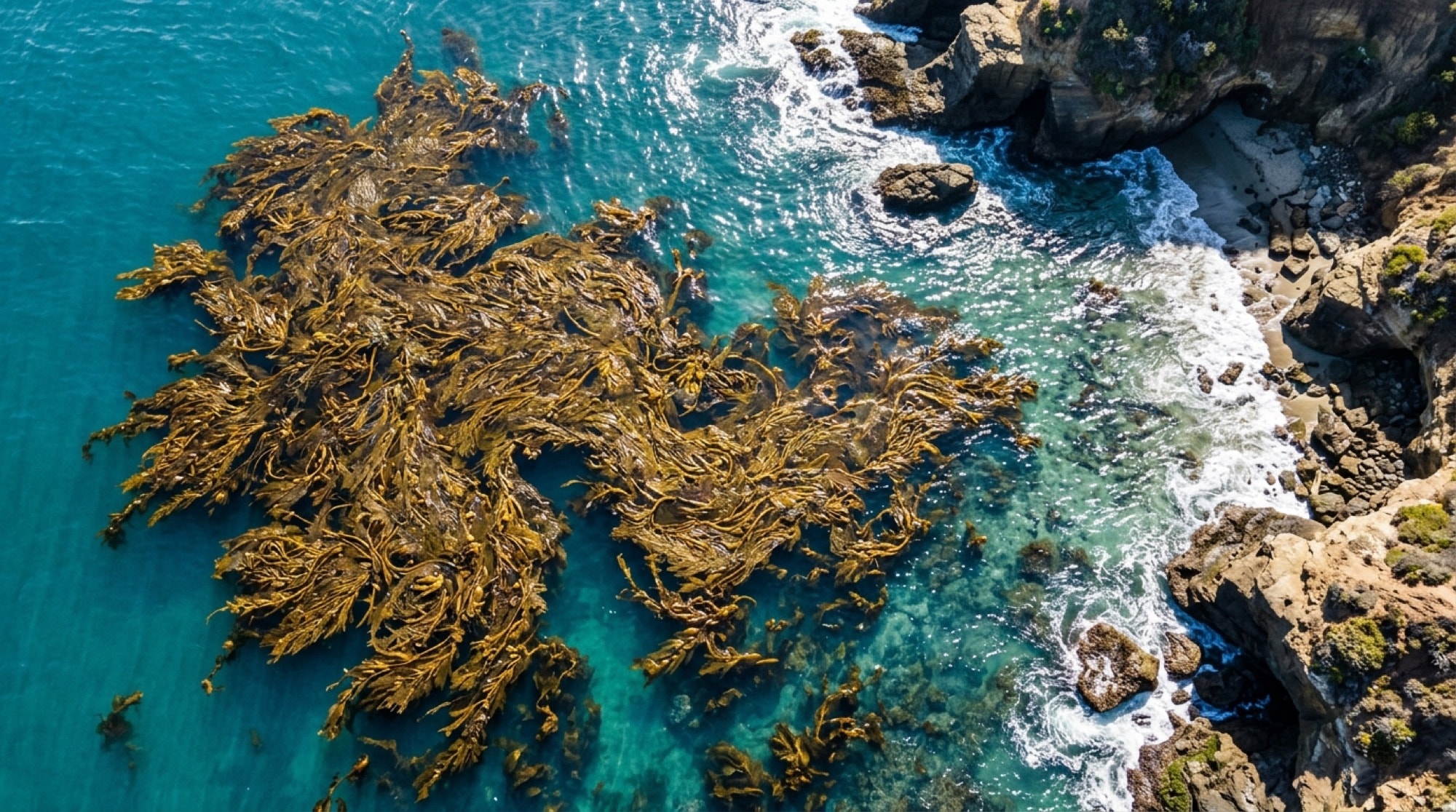
"Local" on this coast means the fishery you can reach and return from inside a day — roughly the inshore and near-offshore water from Morro Bay south to the Mexican border, plus the island chain off Southern California. It is the fishery most anglers here actually fish, and it produces the daily reports that fill the boards and the counts that fill the docks.
The Shape of the Inshore Season
The local season is temperature-driven and the calendar is only a rough guide, but the pattern is consistent enough to plan around.
Late winter and early spring are the bottom fishery's window in much of the region: rockfish and lingcod over hard structure, with sanddabs and the occasional halibut on the sand between. Water is cold, visibility is often excellent, and reports are short because the fishing is dependable rather than dramatic.
Spring into early summer brings the transition everyone waits for. Calico bass move up in the kelp and start eating properly; sand bass gather to spawn on the flats; halibut spread across the sand; barracuda and bonito arrive in pulses. This is when reports become genuinely useful, because conditions vary enormously over short distances and a report from twelve miles away may describe a different fishery.
Summer and early autumn are the offshore months. In an ordinary year that means yellowtail on kelp paddies and around the islands, plus albacore well offshore. In a warm year — and warm years have become less exceptional — it can mean yellowfin tuna, skipjack and dorado inside the traditional long range grounds, occasionally within a short run of the beach. Those seasons produce the reports people still talk about years later.
Late autumn unwinds it in reverse. Offshore fish thin out, the inshore bite consolidates, and the fishery returns to structure and bottom.
What a Good Report Contains
A report worth reading has four things in it, and reports that omit them are usually omitting them on purpose.
- Where, honestly. Not necessarily a waypoint, but a real area — an island, a bank, a stretch of coast, a depth range. "Offshore" is not a location.
- Water conditions. Surface temperature, clarity, and whether there was a visible break or edge. Two degrees decides most offshore days on this coast.
- Grade and count, separately. Twenty fish at four pounds and twenty fish at twenty-five pounds are not the same day, and a report that gives only one number is telling you half of it.
- What they ate. Live bait and which bait; fly-lined, dropper loop or weighted; surface iron or yo-yo iron; trolled. The method is often more transferable than the location.
Reading Reports Critically
Reports are written by people with reasons. Charter operations have a commercial interest in optimism; private boaters have a personal interest in not disclosing a spot they intend to fish again next weekend; everyone has an interest in looking competent. None of that makes reports useless, but it means the honest way to read them is comparatively — several reports from the same day, checked against the dock totals, which are simply counts and much harder to shade.
The other cross-check is physical. If a report describes a bite that the conditions data makes implausible — wrong water temperature, wrong swell, wrong tide — it is worth being sceptical. Conditions do not have an agenda.
Bait, and Why It Governs Everything
The inshore fishery here runs on live bait, principally sardine and anchovy, and the availability and quality of that bait shapes a season as much as the target species do. Poor bait years produce difficult fishing regardless of how many fish are present, because the presentation everything else depends on stops working. The NOAA Fisheries assessment of Pacific sardine is the standing reference for the stock's condition, and it explains more about a slow local season than most fishing reports do.
Before You Go
Local regulations on this coast are detailed, seasonal, and specific to depth and area — rockfish conservation areas, groundfish depth constraints, size and bag limits, and closures that change year to year. This page describes how the fishery behaves, not what is currently permitted. The CDFW ocean sport fishing pages carry the current rules, and the background to why they move is covered under regulation and conservation.
Note. An independent reference. Not affiliated with, endorsed by or connected to the AllCoast fishing community at allcoast.com, nor with any landing, sport boat, tackle company or publication described here. Nothing on this site is bookable, purchasable or joinable, and nothing here is regulatory, safety or navigational guidance.